Storia di Ásta

Since the beginning of this blog, I have written in English, with just a few excursions to Spanish, the language I speak every day. Until recently I did not feel the need of using my native Italia, until now.

I like to annotate books (novels, essays, etc.), both paper and e-books. So I asked myself about a way to record such annotations and extend them to a second life, to make them more avalable (to me, mainly). I think the straight answer is just to write them down, on the blog. Thus, I have my first annotated reading of one book, which I loved. The book is a translation into Italian. I want to quote such annotations and write about them and the book. Ergo, this post is in Italian. And perhaps a few more. It took me a few years to get here, and yes, I am a little slow.

So this post is about a novel from Iceland titled Story of Ásta, by Jón Kalman Stefánsson. And by all means feel free to Google Translate this post. [No translation yet into English, but there’s a little extract of the novel here].


Che bella che è la lingua islandese, al meno per come è scritta.

Con tanti accenti e nomi incomprensibili per noi. Interessante e anche molto bello che ci siano traduttori da una lingua X a una lingua Y che amino entrambe le lingue e che producano opere come la Storia di Ásta. E poi l’islandese ci ha dato la parola saga, che meraviglia: e questa è un po’ una saga familiare, di un paese, di una tribù.

Ásta è un nome che significa amore dalla radice Ast ed è la storia della protagonista di questo bellissimo romanzo. Certo il protagonista non tanto secondario del romanzo è la propria Islanda con la sua geografia e soprattutto clima, colori e il freddo vento, i fiordi, la neve e il freddo di nuovo e comunque sempre. E i protagonisti cercano di fuggirne, alcuni almeno. La stessa Ásta si ritrova a Vienna e a Praga a studiare e in realtà scappare dalla realtà islandese, dalla figlia e dai genitori.

È un romanzo lirico, questo, scritto con una lingua meravigliosa e quindi tradotto anche molto molto bene da Silvia Cosimini. Un romanzo pubblicato in una veste editoriale curatissima, quella di Iperborea, con il formato ormai classico più alto e meno largo. Perfino la copertina è molto bella, e gli architetti-designer di queste edizioni devono aver pensato anche al suono suadente e accogliente che emana questo tipo di copertina quando la si sfoglia.

È la storia di Ásta e la storia della sua vita e dei genitori perché secondo l’autore non si può parlare di una storia senza poi parlare di tutto ciò che ne è il contorno, e quindi la storia della storia. I genitori, la madre con la sua follia di donna libera e fuori dal mondo; il padre, il tale simpatico Sigvaldi con questo nome straordinario; la figlia e altri personaggi che lei incontrerà nel romanzo. Soprattutto quello della vecchia Kristin, la quale “al mattino  si sveglia in un’altra epoca del suo passato e può così rimediare ai rimpianti che le ha lasciato la vita“.

Il suo rapporto da giovanetta con Joseph che la lascerà segnata per tutta la vita, un amore impossibile tra un andare e tornare, un amore che si scioglie solo alla fine e in maniera melodrammatica, tragica.

Pagina 472 della versione italiana:

Ci sono poche cose giuste in questo mondo. Anzi, le verità del cuore non sempre si accordano a quelle del mondo. Per questo la vita è incomprensibile. E dolore. E tragedia. E la forza che ci fa risplendere.

Con queste parole finisce praticamente il romanzo e dopo di queste parole c’è solamente un capitoletto finale, ma questa è la vera conclusione del romanzo. Ma a pagina 447 c’è un anticipo:

Non avrei mai potuto immaginare che fosse possibile sprofondare così a lungo, e così tanto.

Perché chi profonda, sprofonda, e viene ricompensato con il silenzio totale e l’oblio.

Straordinaria la presenza di queste citazioni filosofiche di cui è ricchissimo questo romanzo, caldo e con molta passione e con vocabolario pieno e poetico. A pagina 388 Joseph parla di Ásta e del loro rapporto:

Abbiamo semplicemente smesso di parlare, siamo spariti l’uno per l’altra. Ma prima mi avevi detto: hai dentro un tale fervore che ho paura. E talmente violento che ho paura di amarti. Ho paura di perdere il controllo della mia vita. Il nostro amore mi terrorizza. E poi te ne sei andata.

Ecco riassunta in pochissime parole la storia tra Ásta e Joseph, o meglio la paura che impedisce a questa storia (e a lei) di crescere.

Ci sono poi le sfumature letterarie con citazioni della grande letteratura nordica e islandese e anche di una piccola poesia di Costantino Kavafis:

“e se non posso dire del mio amore linea se non parlo dei tuoi capelli, delle labbra, degli occhi“

Il dicembre del 1903. Da “Poesie erotiche”, Crocetti Editore, 1983

La poesia si intitola Il dicembre del 1903 quindi dice l’autore, una mestizia di più di cent’anni. E poi ci sono altre citazioni poetiche, per cui si scopre il Canto del cigno sulla brughiera e poi alcuni versi della canzone Ninnananna islandese all’arpa (da una poesia di H. Laxness, premio Nobel, vedi video qui sotto). Tutte opere che ovviamente sono andato a consultare immediatamente (e il web è un eccellente strumento per questo).

C’è anche una bellissima frase all’inizio del libro che quasi riassume molto il senso del romanzo e della vita e dice “però, quanto ci si mette a capire i concetti più semplici!“ Mi ha fatto ripensare al Montalbano di Camilleri, il quale, “quando voleva capire qualcosa, la capiva“. E poi un titoletto che recita:

Non morire  subito. Forse domani ma non adesso, non oggi.

E questo è uno degli stili che usa l’autore di questo libro (e poi questo Stefánsson era un poeta, prima di scrivere romanzi): mettere titoli curiosi ai capitoli del suo libro; titoli poi con i quali incomincia spesso lo stesso capitolo (come fosse l’incipit di una poesia), senza discontinuità. Quindi Storia di Ásta è un libro veramente molto bello e mi ha aperto una finestra a tutta una letteratura nordica che non conoscevo; e anche se da sempre sono un ammiratore dei paesaggi e delle atmosfere nordiche devo dire che ne avevo letto solo la letteratura noir finora, senza accedere a libri belli e straordinari come questo.

La storia di Sigvaldi poi, di questo di questo omone grosso alto che casca da una scala e muore e prima di morire rivede un po’ la sua vita al rallentatore. Lui è il padre di Ásta ed è sposato con una certa Helga, una donna certamente molto libera, e terribile, molto aperta, e che non riesce a star chiusa in nessuna circostanza e che quindi poi fuggirà. Tra tutti e due lasciano Ásta in uno stato decisamente confusionale, in una vita che trascorrerà in luoghi diversi, tra cui la campagna dei Fiordi Occidentali, dovre vivrà con la vecchia Kristin e suo figlio Joseph, un contadino con cui avrà poi un rapporto molto bello–ma da cui fuggirà.

È molto molto interessante anche la relazione che si instaura tra Ásta e il suo professore a Praga, un appassionato studioso e cultore di Bertolt Brecht e dalla cui presenza di cultura Ásta viene in qualche modo soggiogata. Ma questa grande cultura europea poi finisce nel nulla quando Ásta gli offre i suoi favori sessuali. Donna libera anche lei, paga col prezzo della propria libertà e della propria sanità mentale la voglia di oltrepassare i propri confini e quelli della sua cultura.

Mi è piaciuto moltissimo in questo libro anche il sapore dell’Islanda: la pioggia battente e la neve, il freddo e di nuovo il vento. C’è una descrizione molto bella di Sigvaldi che aspetta l’autobus dove dovrebbe arrivare la figlia dalla campagna in cui è stata per un bel po’ di tempo. E sotto la pioggia battente Sigvaldi l’aspetta. E il mare ovviamente è un altro grande personaggio del libro, il mare che batte sui fiordi, sugli scogli, sulle spiagge senza tregua e che è onnipresente nella vita di tutti gli islandesi. E infine la neve, quelle lacrime degli angeli che cadono dal cielo d’Islanda e nascono dalla loro tristezza.

Bellissimo libro! Ed ecco la recensione di CriticaLetteraria: https://www.criticaletteraria.org/2019/01/storia-di-asta-stefansson-iperborea.html.
Posted in annotazioni, books | Tagged , | Leave a comment

The cultivation of curiosity

Institutions of learning should be devoted to the cultivation of curiosity.

–A. Flexner

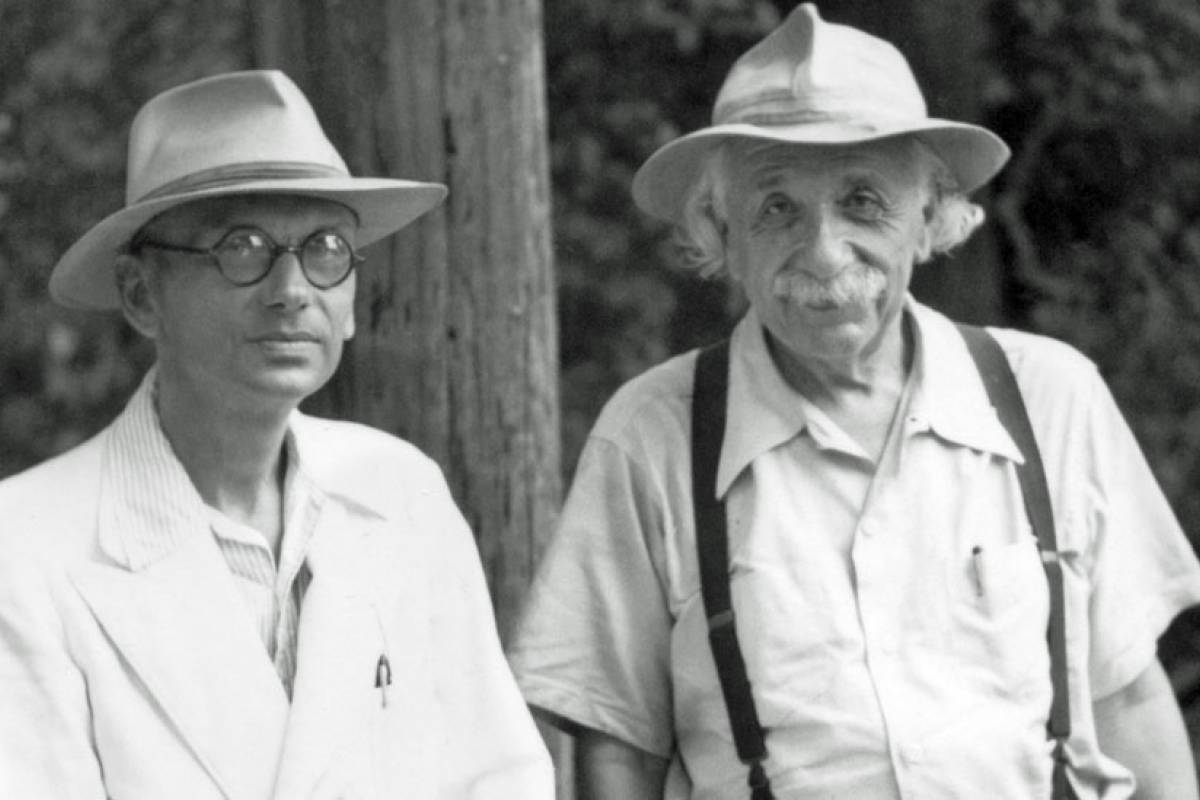
Abraham Flexner conceived and developed the Institute for Advanced Study in Princeton, and was its founding director from 1930 to 1939. A unique place, that was able to adopt the major science thinkers from war-torn-Europe and let them stay in peace to express their creativity. You know, Einstein strolling with Gödel and Turing living in close contact with Von Neumann.

This guy Flexner wrote something in 1939 that resounds today profoundly in my mind: The pursuit of curiosity should drive both higher ed institutions (i.e. be an essential component of their mission) and guide the pedagogical and technological environment through which education in implemented.

In the quotes, bold is mine.

They have done their work without sort of use in that throughout the whole history of signs most of the really great discoveries which had ultimately proved to be beneficial to mankind has been made by men and women who were driven north by the desire to be useful but merely to the desire to satisfy their curiosity.

Curiosity, which may or may not even trade in something useful common is probably the outstanding characteristic of modern thinking. It is not new. Institutions of learning should be devoted to the cultivation of curiosity, and less they are deflected by consideration of immediacy of obligation, the more likely they are to contribute not only to human welfare back to the equally important satisfaction of intellectual interest which means the receipt to have become the ruling passion of intellectual life in modern times.

Abraham Flexner (1939): The usefulness of useless knowledge. Harper’s.
“Quote” by ullerup is licensed under CC BY-NC-SA 2.0

Here is an extract from Brain Pickings:

In The Usefulness of Useless Knowledge (PDF), originally published in the October 1939 issue of Harper’s, American educator Abraham Flexner explores this dangerous tendency to forgo pure curiosity in favor of pragmatism — in science, in education, and in human thought at large — to deliver a poignant critique of the motives encouraged in young minds, contrasting those with the drivers that motivated some of history’s most landmark discoveries.

Maria Popova, Brain Pickings 2012

Curiosity was my driving engine (see previous post, The magic of dreaming and the power of imitation): through curiosity I set up to imitate those from whom I was impressed enough to begin pursuing something. I think my whole life has been driven by that, at least in the educational arena: a mix of curiosity and emulation.

Posted in education, science | Tagged , | Leave a comment

The magic of dreaming and the power of imitation

Two episodes describe the magic that happens when you get inspired by something and rush to work on an imitation process—on something that you want to go after. Such episodes may change your life. In my case, there are two episodes plus one.

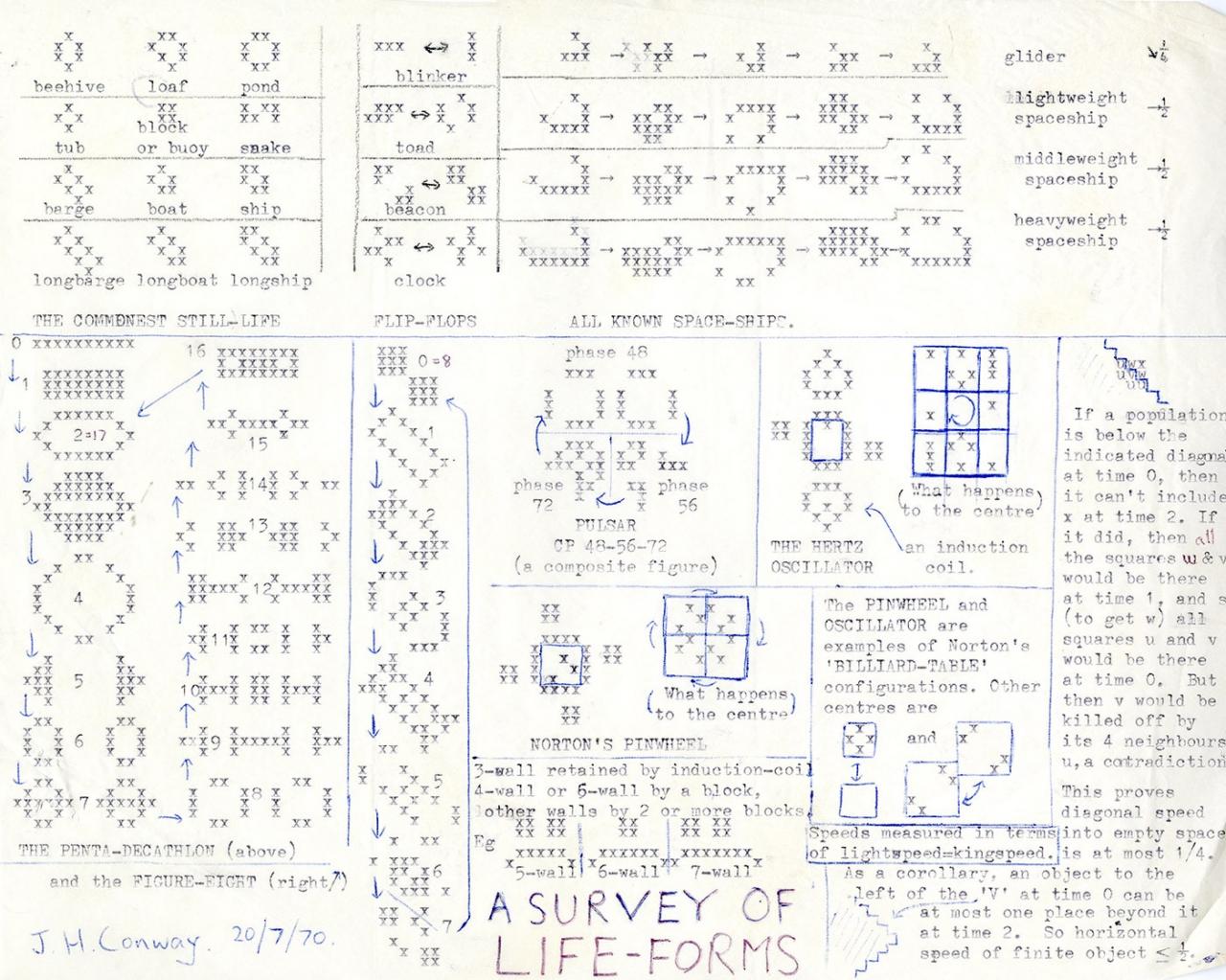
First—John Conway, the mathemagician of Cambridge and Princeton, has died recently. This NYTimes articles helped me remember how fond I was of him.

Travels With John Conway, in 258 Septillion Dimensions: 
The Princeton mathemagician, who died in April, left 
an engaging legacy of numerical gamesmanship.  

https://www.nytimes.com/2020/05/16/science/john-conway-math.html

I remember when, fresh instructor of computer science, I inspired students by the same inspiration of his ideas, reframed by Martin Gardner and others (including Douglas Hofstadter). His ideas were weird automata that played according to a simple set of rules: the Game of Life. In a board, a set of dots propagate and reproduce according to a simple few rules of proximity. The fascination is enchanting. This way on cannot but fall in love with computing. And that was my practical introduction to automata, Turing machines, and self-replicating creatures. That was also the first time I got introduced to John Von Neumann’s genius: he was the guy who first had the glimpse that artificial stuff could reproduce by themselves. Imagine viruses without that principle. So, I inspired tens of students on those apparently pointless exercises to program automata that showed beautiful compositions on the board!

And there I was hooked to math and computing!

Courtesy of James Gardner, Martin Gardner Papers, Special Collections, Stanford University Libraries, as published on Wired, A Life in Games: The Playful Genius of John Conway, by Siobhan Roberts, 9/5/2015.

This is how Martin Gardner presented his friend’s Game of Life (a cellular automaton) in his SciAm column (The fantastic combinations of John Conway’s new solitaire game ‘life’, October 1970)

“Because of its analogies with the rise, fall and alterations of a society of living organisms, it belongs to a growing class of what are called ‘simulation games’ – games that resemble real-life processes. To play Life without a computer you need a fairly large checkerboard and a plentiful supply of flat counters of two colors.”

Mulcahy, C. (2014, October 21). The top 10 Martin Gardner Scientific American articles. Scientific American Blog Network. https://blogs.scientificamerican.com/guest-blog/the-top-10-martin-gardner-scientific-american-articles/

Here are the rules for the Game of Life:

From Wired, https://www.wired.com/wp-content/uploads/2015/08/Conway_LifeRules-482×258.jpg

And here is where one can play The Game of Life: https://playgameoflife.com/

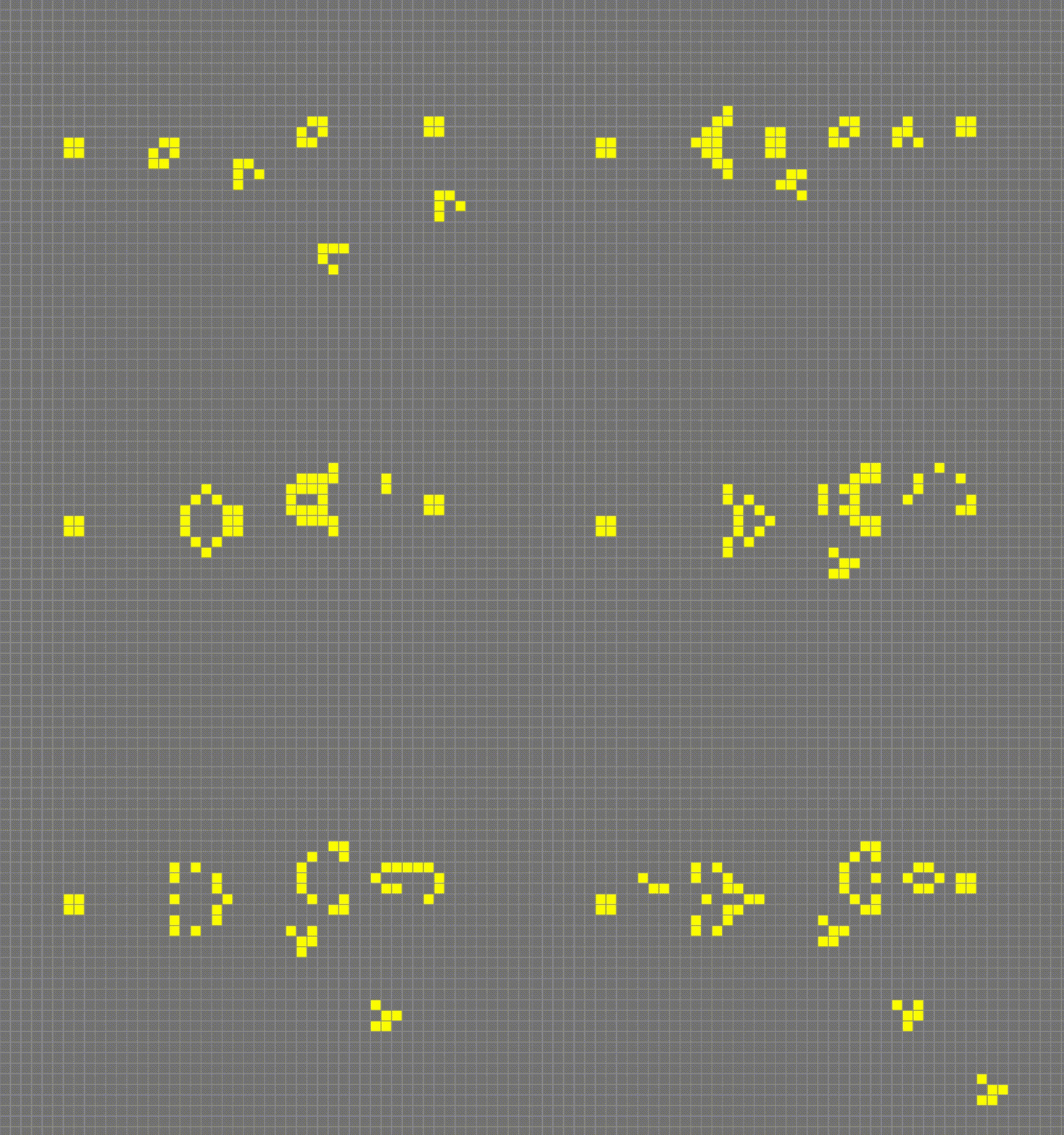
I played a couple of examples from the site, then screen-recorded the plays with the faithful Quicktime. At last I uploaded the mov file to https://convertio.co, which then gave me these two brilliant GIFs. I could stare at the symmetries and patterns forming for hours.

Gosper Glider Gun automaton (Game of Life)
10 Cell Row automaton (Game of Life)

Then there’s the Sprouts game, which can be played on a piece of paper with just two players. Here’s an image of a possible game. People tell that at Princeton, when Conway proposed first the game, everybody, including secretarial staff, became addicted to it!

Play the game here https://chrissmith2.github.io/Sprouts-Game/! Instructions and info here: https://github.com/ChrisSmith2/Sprouts-Game

How to Play

Start out by placing 2 or more dots anywhere on the page (click to place dots). The game is played turn by turn with two players. Each turn must follow the rules below.

Turn Rules
  1. First, a player draws a line from one dot to another or from one dot back to itself (click and hold to draw a line).
  2. Lines can be curved or straight but cannot cross another line or themselves.
  3. After drawing a new line, a dot must be placed somewhere on that line.
  4. No dot can have more than 3 lines coming from it or going to it

The winner of Sprouts is the last person able to draw a line. One game of mine, recorded and rendered as a GIF (I played against myself):


Second— I experienced my second moment of huge inspiration in two steps. My two friends Mario Núñez and Jim Groom are responsible. Jim had just given a brilliant and inspiring talk http://www.vidadigital.net/blog/2009/05/11/video-de-la-presentacin-de-jim-groom-la-revolucin-no-se-televisar-se-sindicar/) at Mario’s Blogfesores congress in Mayagüez, Puerto Rico (it was 2009, and I wrote about it here https://blogs.netedu.info/2009/03/25/blogfesores-2009-78-mayo-09/). That was enough, but later he gave a workshop in syndication through WordPress and a magic plugin, Feed WordPress. The plugin would allow to subscribe to a number of syndicated RSS feeds and include their content in one’s own blog content. Wow. A universe opened up in front of me. That was when I started to copy whatever Jim ever invented or transformed. The point here is not so much to talk about his work, though, but instead of the inspiration, dream and magic that work injected in me (and many others).

Both example here suggest a mentoring component. In fact, I continued doing copycat business after them, and I keep on to this day doing almost every class of mine with a syndication-based technology and methodology—of connection and openness.

There’s a third part in all this, and that is when Mario and I coincided with social bookmarking (both loved del.icio.us –RIP–): Mario has also had a huge mentoring effect on me. One night, after a workshop he gave, he began talking of a tv series he was hooked with. It was Dexter.

Of course, Mario is a psychologist of the Jungian school, so guess what, the shadow in Dexter’s story was immensely attractive to him. But he managed to infect me with that same passion, and I got hooked too. Those were the times of the new golden age of tv that was starting up with gorgeous, well-scripted and greatly shot series. I began my tv series addition at that time. Forbrydelsen (the original The Killing), Homeland, and all the following up to Breaking Bad and Borgen, Peaky Blinders and the surreal Ozark.

The original show from Danish TV with Sophie Gråbøl

Well, last but not least, I have a powerful mechanics of following people I admire. So my choices, education and all were biased throughout the lenses of my own perception of such people’s examples. This article could well be an excuse to talk about authentic learning, but it is really only on the imitation game. That is a very powerful way to inspire people to education.

I am leaving you with the trailer of Forbrydelsen, even if I already have published it on this blog.

Posted in delicious, media, tv | Tagged , , | 1 Comment

Wrapping up the New Media COVID class

Wrapping up a nice semester split in two with a great groups of students. New Media (inf115) is a course of Sagrado, set up with a connected an open strategy, which borrows from the syndicated content model as well as from other social and connectivist learning approaches.

But I am not here to philosophize on theory, but on this particular semester’s practice. We got ourselves into this COVID mess and had literally to evacuate the University on one nice day of March. Just one tiny week after (to transition and learn Zoom) we (almost synchronously with thousand other institutions) did the now-famous pivot thing.

So we found ourselves online, zooming and lecturing at full speed. On Whatsapp my colleagues were sharing their successes and difficult moments. On Zoom my students (I had so many students, this semester, omg) and I ventilated in a very gentle and elegant way how we were feeling. Students did not understand their faculty’s shyness (and their own illiteracy) with technology and with remote methodology. All shifted to Zoom, and suddenly everybody was doing sync classes online, and recording them for the absent. And that provoked more anxiety in many cases and somehow a bit of cognitive overload.

I took a just and correct decision, namely to not translate our twice-a-week meetings into twice-a-week Zoom sessions, afraid as I was of losing my students before even pivoting. Instead we did a range of async activities coupled with some lectures (more like introductory lessons). We worked a lot online in the digital world, which we connected to the atomic one with crossing assignments. We did a podcast, personal curation that distilled onto group meta-curation (curation of the already curated if you will). We were lucky since our course lent itself very well to the digital spin others were forced to take with little prep.

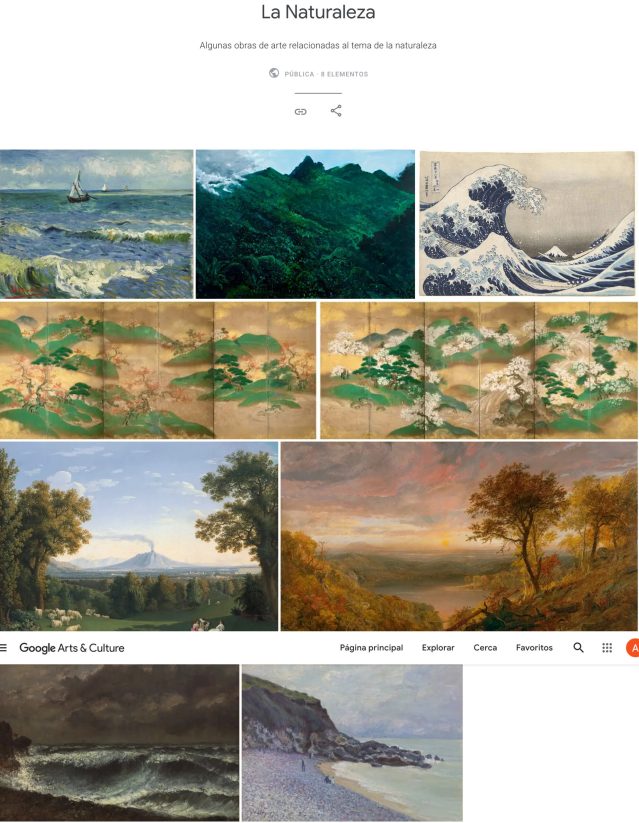
Students enjoyed the time of discovery and production of GIF’s, Instagrams and memes. They participated massively into the “Una foto cada día”, the daily photo challenge prepared by Alan Levine (one of his famous SPLOTs). They did quite some storytelling throughout all the course, and finished with a nice work with Google Arts & Culture, when they assembled a story told with works of art from collections throughout the world. They also created a website each to host and share their creations. I think that most of them can actually use their personal website as a portfolio beyond the class. Their websites can be accessed from the sidebar of inf115.com.

In the end, I believe students finished off with a good idea of the Web creative and publishing affordances and mastering its expressive language.

Let’s begin with a couple of such galleries as mounted by this semester’s students. This is a Nature-inspired Gooogle gallery — by Andrea.

And this one was by Penélope on Urban Art.

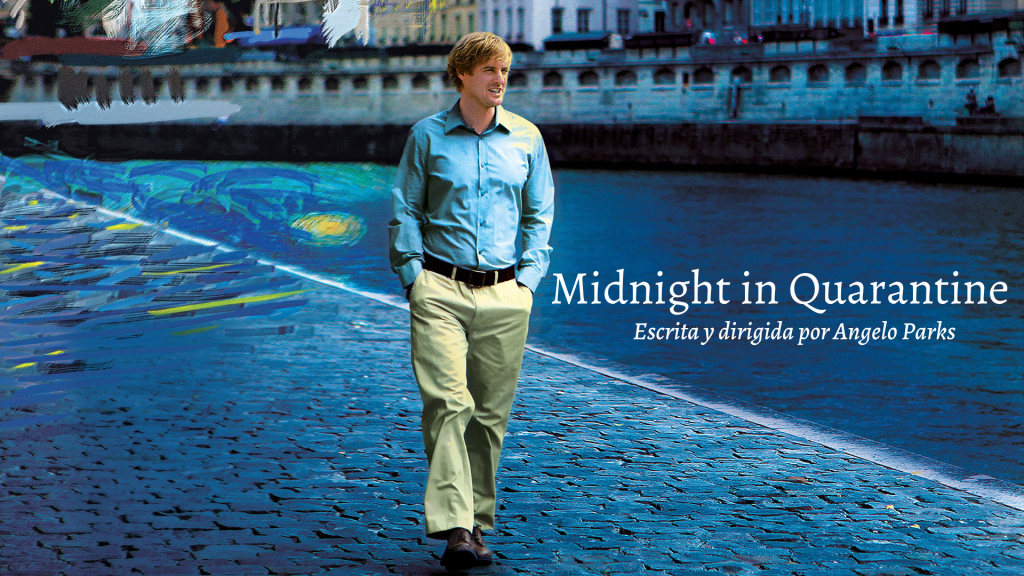
A poster elaboration of the quarantine meme, by Angelo Parks made us laugh with some romanticism.

While this next, done by Marieliz, made everyone feel… well, avenged!

For the record, check all the memes & GIF: they were all published here, in one student’s blog: https://socialmediaismybf.family.blog/2020/05/08/grupo-b-curaduria-de-gifs-y-memes/.

The Instagram group curation was published here: https://mariwariinfo.data.blog/2020/05/08/curaduria-de-fotografias-en-instagram-proyecto-grupal/

A video (the opening video of this post) built by crowdsourcing many microvideos from all students, showing their doings during the quarantine: https://youtu.be/WcU64rCQTu4

Last, two Spotify playlists, born out of a master playlist begun by yours truly and finished off by students (here…). Students in the end decided to curate two smaller and better focused playlist. The first is a varied (language, music styles, etc) list from many paths of music. Play it along!!

The second is made of only Puerto Rican musicians.

From Sophia, Lady Bird

Personal art from Alexandra:

Classics’ Gallery from Paulo

Inspirations from Instagram:

https://www.instagram.com/p/CAGiZcynRTk

Posted in inf115, myCourses, open | Tagged , | 1 Comment

#OER20: Caring for the Open Web As The Higher Ed Territory Par Excellence

Hey, welcome to my presentation for the 2020 edition of OER Conference. Session description and all is here (https://oer20.oerconf.org/sessions/o-137/).

Posted in abierto, events, presentations | Tagged , , , | Leave a comment